
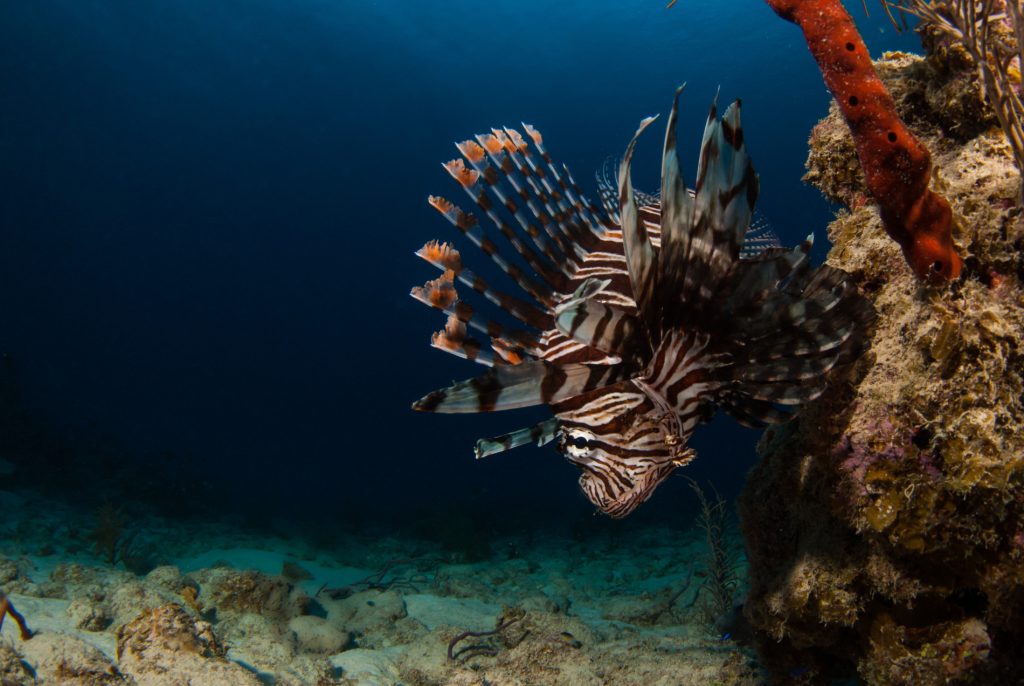
Scientists Discover Over 1,000 New Ocean Species: What Does It Tell Us About the Seabed?
The ocean covers more than 70% of the Earth’s surface, yet much of what lies beneath it remains a mystery. In 2025, the Ocean Census initiative identified 1,121 new marine species across 13 global expeditions and nine dedicated discovery workshops, with expeditions reaching depths of up to 6,575 metres. The discoveries included a new species of deep-sea ghost shark, corals, crabs, shrimps, sea urchins and an unusual bristle worm found living within a structure sometimes described as a “glass castle”. These discoveries offer a fascinating reminder of just how much remains unknown beneath the surface.
Discovering the Deep
One of the most striking discoveries was a new species of chimaera, or “ghost shark”, found in Australia’s Coral Sea Marine Park at depths of around 800 metres. Chimaeras are distant relatives of sharks and rays and have existed for almost 400 million years. The species itself is not new to the ocean; what is new is our scientific recognition of it. Historically, the average time between a species being discovered and formally described in scientific literature has been around 13.5 years. New technologies and the Ocean Census NOVA platform aim to reduce this timeframe by making collected data available within weeks or even days.
Another Species Spotlight
Another notable discovery was a ribbon worm found in Timor-Leste at depths of just 1–5 metres. Its striking pigmentation may serve as a warning to predators, reflecting the chemical defences found in some species within the Nemertea phylum. The discovery is another reminder that there is still much to learn about marine life, even in relatively shallow waters.
What Is Making This Possible?
Exploring thousands of metres beneath the surface requires some of the most advanced technology available. Ocean Census expeditions have used specialist platforms including Japan’s Shinkai 6500 crewed submersible, the Schmidt Ocean Institute’s RV Falkor (too), high-resolution deep-sea imaging and genetic barcoding.
Together, these technologies allow scientists to reach and study environments that would otherwise be almost impossible to access.
But scientists are not the only professionals helping us understand what lies beneath the surface. Every day, offshore professionals are collecting the data that helps build a clearer picture of the seabed.
An Ocean Still Waiting to Be Mapped
The discovery of new species highlights a much broader reality: we still have an enormous amount to learn about the seabed itself.
Large areas of the world’s oceans remain poorly mapped, particularly at high resolution. Before we can fully understand, develop or protect these environments, we first need accurate information about what is actually there.
This is where hydrographic surveyors, ROV specialists, geophysicists and other subsea professionals play an important role. They help map seabeds, identify geological features, locate infrastructure and collect data from environments that remain inaccessible to most people.
The Bottom Line
The discovery of 1,121 new marine species is not just a story about marine biology. It is a reminder of how much we still do not know about the environment beneath the surface and how important the people and technology capable of exploring it have become.
There is still so much waiting to be discovered beneath the ocean. For the offshore professionals helping us map, investigate and understand it, that makes the seabed an incredibly interesting place to work.
Related News
DEEP: The Company Building Deepwater Settlements for Human Habitation by 2027
What if the next frontier for human exploration isn’t space, but the ocean? That is the question behind DEEP, a UK-based ocean…
Poland’s First-Ever Offshore Wind Farm, Baltic Power, Has Been Switched On
Located 23 kilometres off the northern coast near Choczewo and Łeba, Poland’s first-ever offshore wind farm, Baltic Power, has now delivered its first…